
Explainer
Protein
How Much Protein Do You Need to Lose Weight?
Practical protein targets for weight loss, why protein helps, how to spread it across your day, and easy high-protein foods.
What to eat, how much protein and fiber you need, and which supplements are worth it, explained clearly and with sources.
Practical protein targets for weight loss, why protein helps, how to spread it across your day, and easy high-protein foods.
We may earn a commission from Amazon links, at no extra cost to you. How we make money

Protein and creatine first, caffeine if you tolerate it, and healthy skepticism for the rest: an evidence-graded guide to losing fat while keeping muscle.

Iron, vitamin D, folic acid, magnesium and popular herbs, graded on the evidence, with the tests and safety checks to do before you buy.

On keto, electrolytes matter most. MCT oil is an optional extra with modest evidence, and BHB salts raise ketones only briefly.
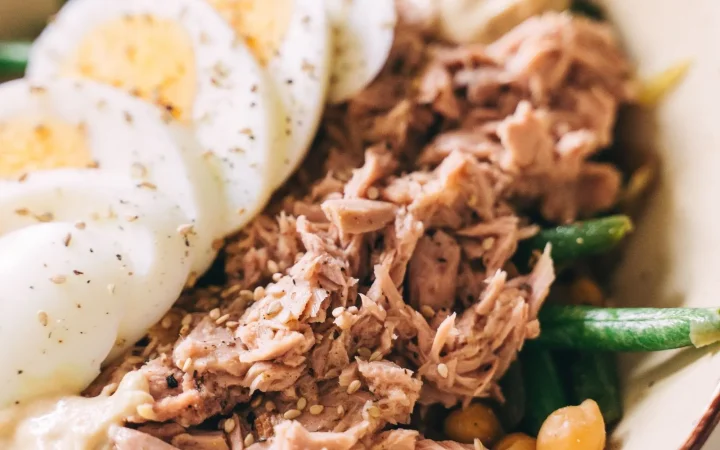
Protein, fiber and plenty of vegetables make a lighter lunch satisfying. Here are seven easy ideas, the research behind them and a simple prep plan.
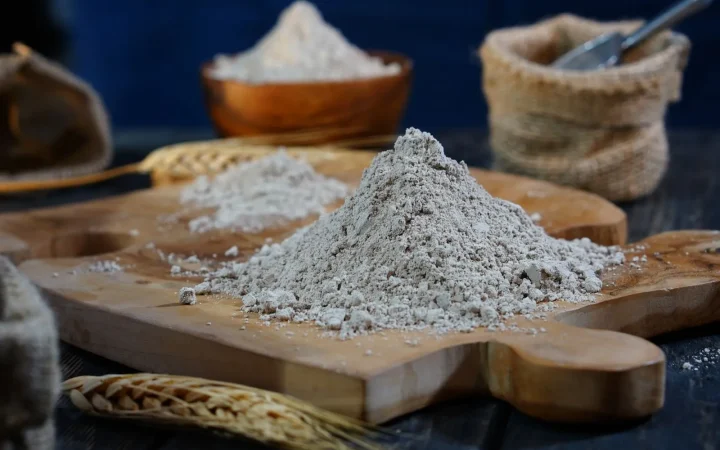
No flour melts fat, but some bring far more fiber and protein than others. Here's how six popular flours compare, plus easy baking swaps.
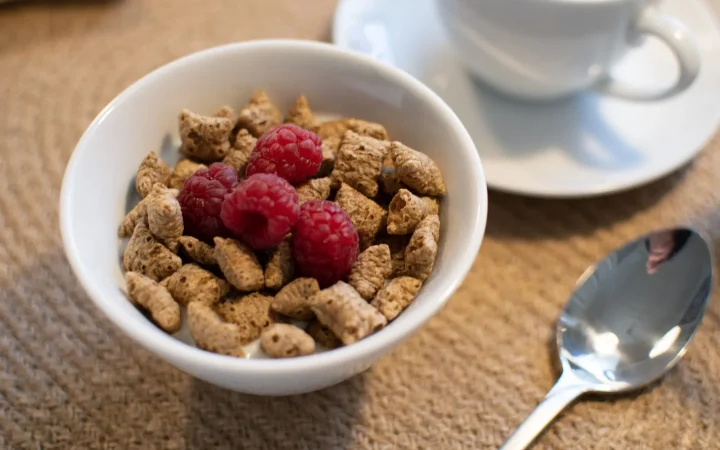
Fiber, added sugar, protein and portion size matter more than any box claim. Here's how common cereal types compare on USDA numbers.
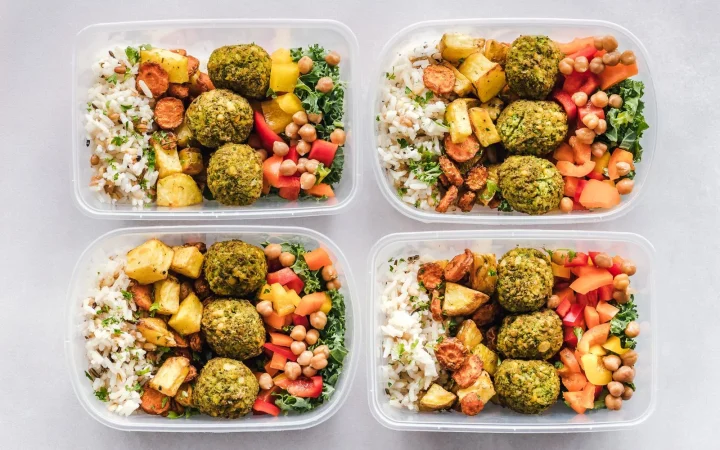
Eating every few hours won't speed up fat loss when calories are equal. Here's what the trials show and how to pick the meal pattern that suits you.
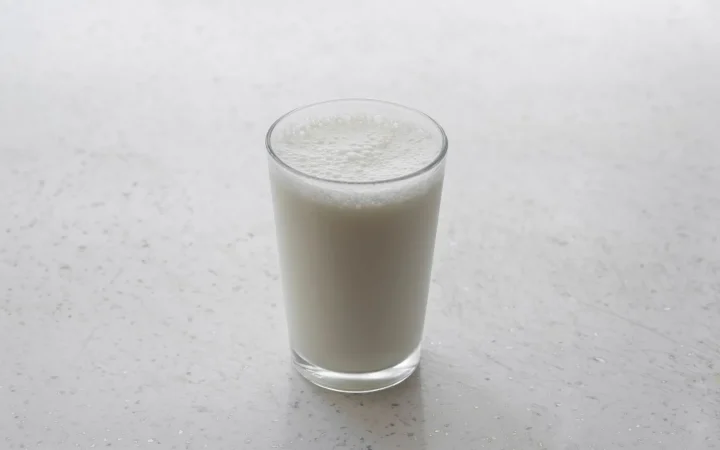
Calories, protein and sugar for whole, 2%, 1%, skim and the main plant milks, plus what the research says about dairy and body weight.
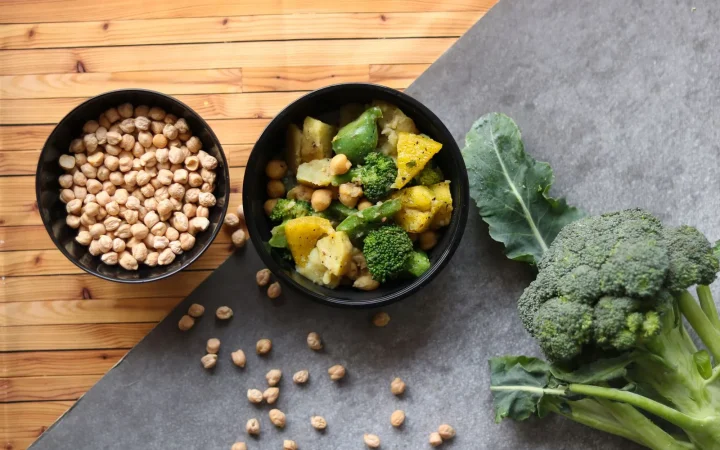
Beans, cruciferous vegetables, lactose, sugar alcohols and fizzy drinks top the list. Here's why they cause gas and when bloating needs a doctor.
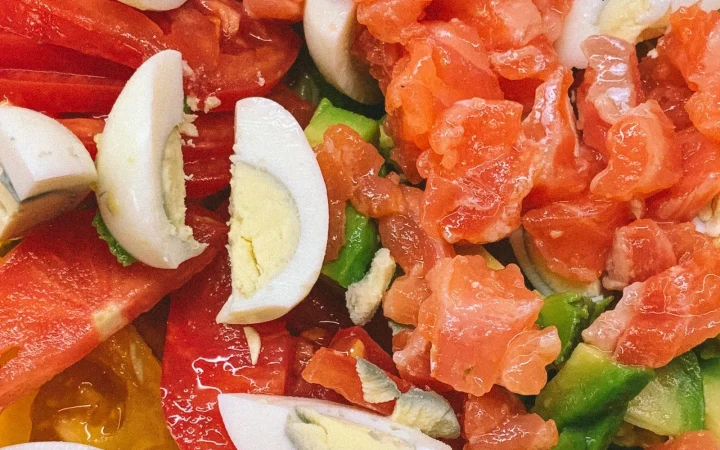
Three sample keto days built from USDA data, each about 1,500 calories and about 25 g net carbs, plus who should not try keto without a doctor.
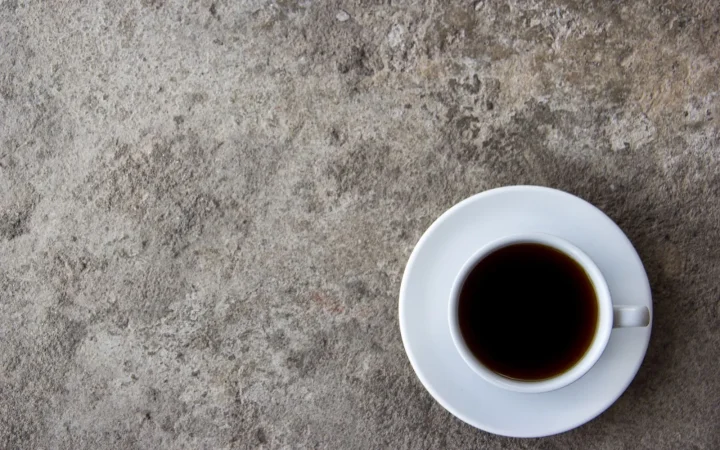
Black coffee has almost no calories. Sugar, syrups, whipped toppings and late-day caffeine that cuts your sleep are what can add up.
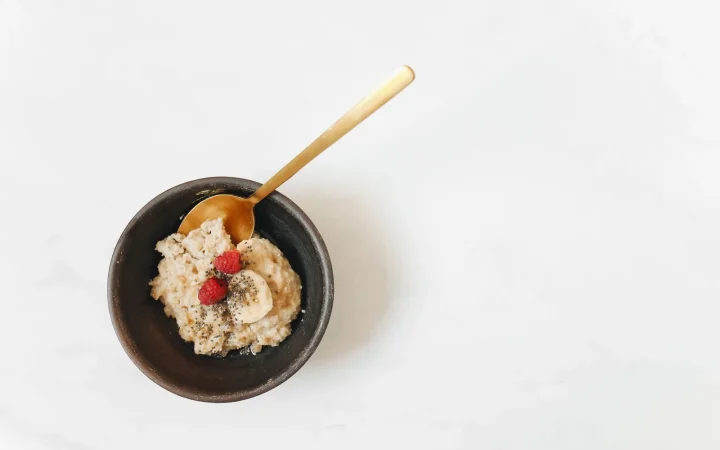
Breakfast isn't a fat-loss trick, but if you eat it, protein and fiber make it far more filling. Here's what the research says, plus five easy breakfasts.
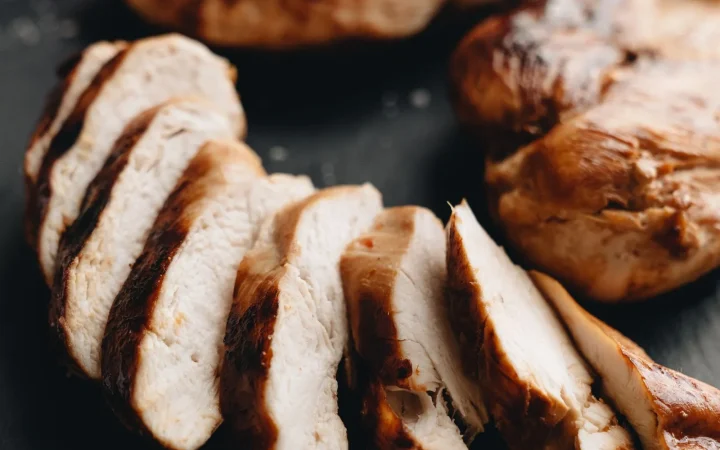
Cut, skin, cooking method and raw-versus-cooked weight all change the calories in chicken. Here's how much each one matters, using USDA numbers.
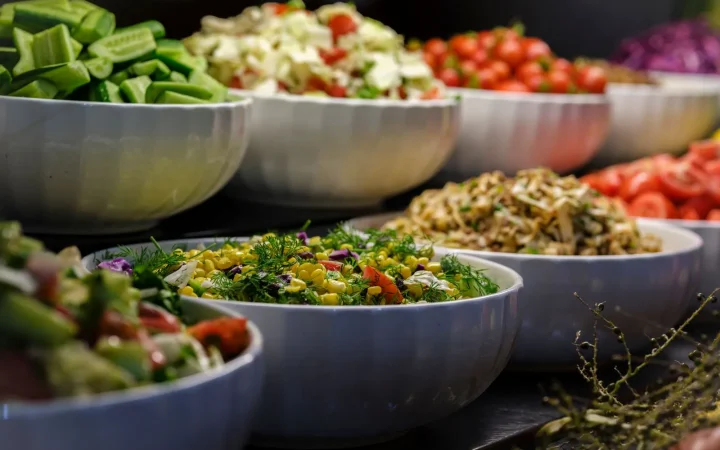
Energy density explains why some foods keep you full on fewer calories. Here are filling picks with USDA calorie counts and easy ways to use them.
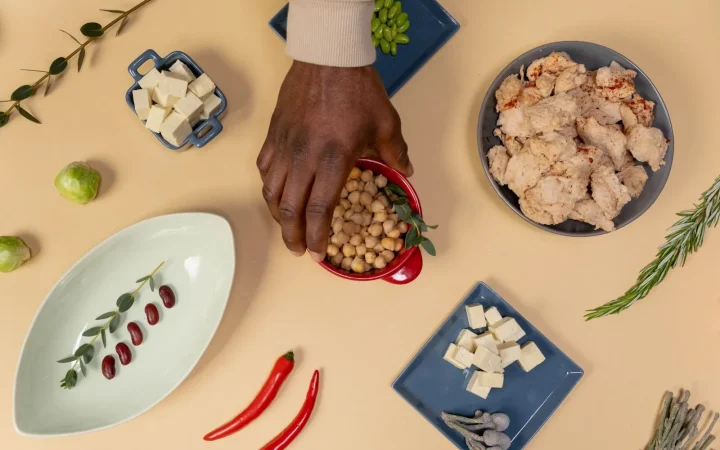
Tofu, tempeh, edamame, lentils and beans lead the pack. Here's how much protein each provides and how to reach your daily target on a plant-based diet.