Wanting to get leaner is a reasonable goal. The problem is how much of the advice out there relies on crash diets, detox teas and promises of dramatic results in days. This guide is the opposite: a realistic, health-first way to lose fat and keep it off, without punishing yourself.
Step 1: Set a realistic pace
Gradual loss of about 0.5–2 lb (0.25–1 kg) a week is widely recommended because it is more likely to last. A useful rule is to aim for no more than 1% of your body weight a week. Faster loss is harder to keep up and makes muscle loss more likely. A daily deficit of 300–500 calories typically gives about 0.5–1 lb a week; people with more to lose often lose a little faster at first. The weight loss goal calculator shows a realistic timeline for your target.
Step 2: Know your numbers
- Calories: use the calorie calculator to estimate maintenance, then eat around 300–500 calories less.
- Protein: roughly 1.2–1.6 g per kg of body weight a day helps you stay full and keep muscle (full guide).
- Movement: at least 150 minutes of brisk walking or similar activity a week, plus two short strength sessions.
Step 3: Build habits that make the deficit easy
- Anchor every meal with protein (eggs, yogurt, fish, chicken, tofu, beans).
- Fill half your plate with vegetables or salad. High-volume food fills you up for fewer calories.
- Drink water, tea or coffee instead of sugary drinks. This is often the easiest saving of the day.
- Cook more, and keep ultra-processed snacks out of easy reach. People tend to eat more when food is highly processed.
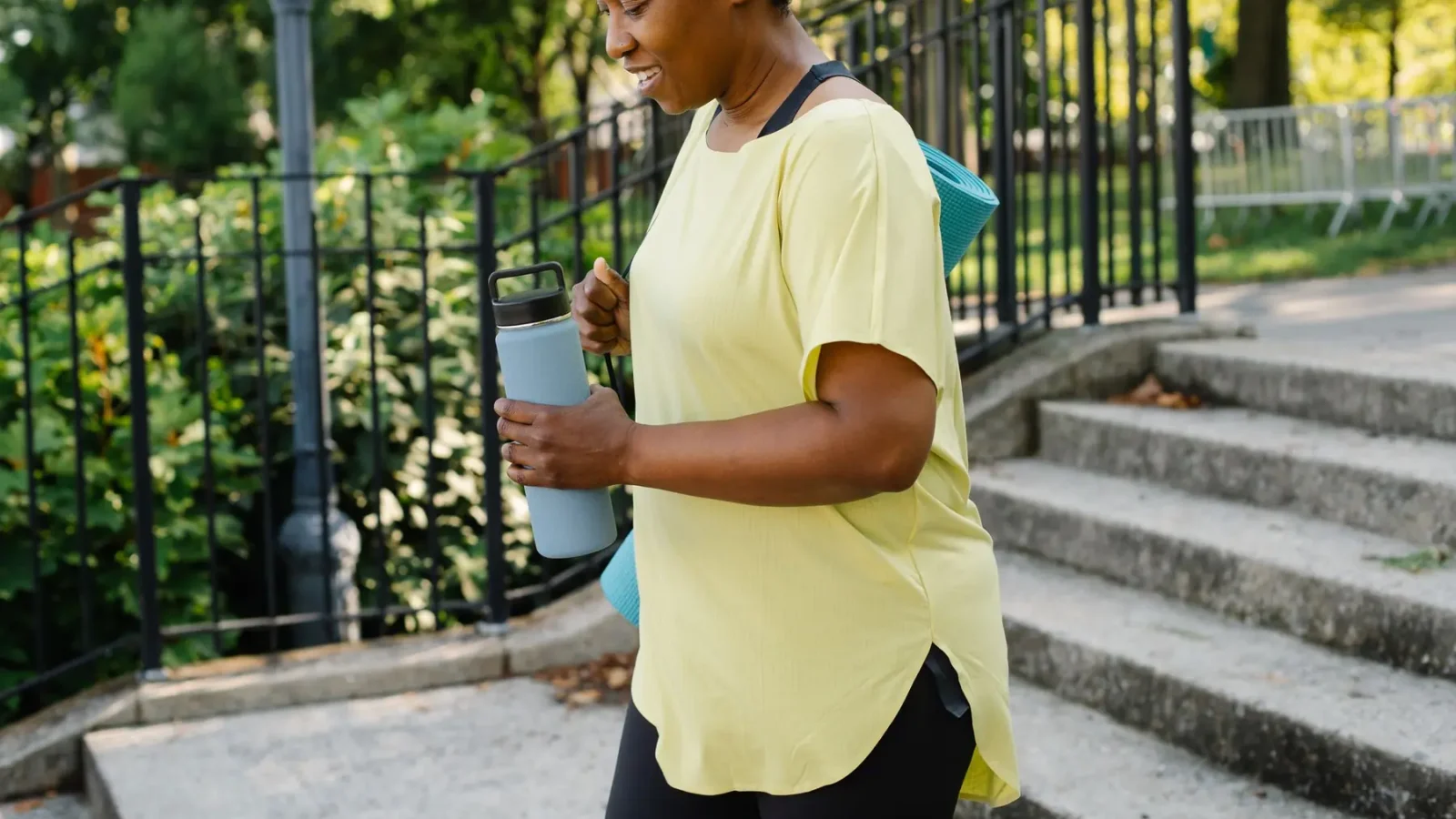
- Walk after meals and look for small ways to move more during the day.
- Sleep 7–9 hours. Short sleep makes hunger and cravings harder to manage.
What a day of eating can look like
Here is an example of about 1,650 calories and 115 g of protein, a typical starting target for many women trying to lose weight. Adjust portions to your own numbers from the calorie calculator.
| Meal | Example | Approx. calories | Approx. protein |
|---|---|---|---|
| Breakfast | 200 g plain non-fat Greek yogurt, 1 cup berries, 30 g oats | 305 | 25 g |
| Lunch | 120 g grilled chicken breast, large salad with 1 tbsp olive oil, whole-grain wrap | 520 | 42 g |
| Snack | An apple and a string cheese | 175 | 7 g |
| Dinner | 150 g salmon, 1 cup cooked rice, 2 cups roasted vegetables with 1 tsp oil | 650 | 41 g |
| Total | ≈ 1,650 | ≈ 115 g |
Values are approximate, based on USDA FoodData Central; brands and portions vary.
Can you get skinny without exercise?
Yes, diet drives most weight loss, because it is much easier to eat 500 fewer calories than to burn 500 more. But exercise matters for keeping muscle, staying healthy and, especially, keeping the weight off. People who successfully maintain weight loss over years tend to be very active. Walking is the easiest place to start.
Step 4: Track progress the right way
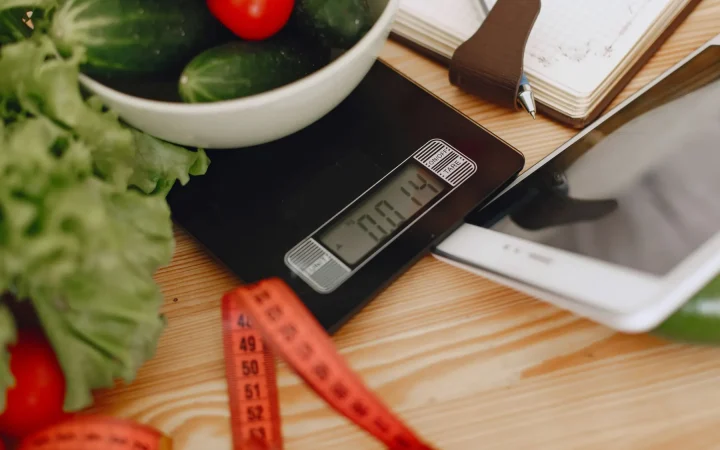
- Weigh yourself a few mornings a week and compare weekly averages, not single days.
- Measure your waist every two weeks.
- Expect plateaus. A flat week is normal; three to four flat weeks mean it is time to adjust.
Step 5: Keep it off
Members of the US National Weight Control Registry, people who have lost weight and kept it off for years, commonly report a similar set of habits: high daily activity, regular self-weighing, consistent eating patterns through the week, and catching small regains early. Treat these as the long-term version of your plan rather than something you stop when you reach your goal.
What to avoid
- Detox teas, “fat-burning” wraps and laxative products.
- Very low-calorie diets without medical supervision.
- Cutting out whole food groups unless you have a medical reason.
- Weight-loss drugs sold online without a prescription or by unlicensed sellers.
The bottom line
The healthy way to get leaner is not exciting: a moderate calorie deficit, protein at every meal, more daily movement, enough sleep and patience. It works, and unlike crash diets, it lasts. New here? The Start Here guide walks you through it in order.