Most popular home remedies for fat loss, including lemon water, apple cider vinegar, green tea, ginger, cinnamon, detox drinks and body wraps, have little or no good evidence behind them. A few show small effects in short trials, usually a kilogram or two at most, and some of those trials have real weaknesses.
The home approaches that do work are less exciting but far more reliable: a steady calorie deficit built from everyday habits, regular movement including strength work you can do in your living room, and enough sleep.
Below, we go through each remedy and what the research actually shows, then lay out a realistic plan you can follow at home.
The quick verdict on popular fat-loss remedies
| Remedy | The claim | What the evidence shows | Verdict |
|---|---|---|---|
| Lemon water | Melts fat, boosts metabolism | We found no trials of lemon water on its own. In a lemon “detox” trial, a placebo diet with the same calories also worked. | A fine drink, not a fat burner |
| Apple cider vinegar | Burns belly fat | One 12-week vinegar trial showed modest effects; a 2024 trial was later retracted | Weak evidence |
| Green tea | Speeds up fat burning | Cochrane review: small, statistically non-significant weight loss | Unlikely to matter |
| Ginger | Revs up metabolism | About 1.5 kg more weight loss in pooled trials, low-certainty evidence | Small and uncertain |
| Cinnamon | Targets stubborn fat | About 0.9 kg in pooled trials, no significant change in body fat | Small and uncertain |
| Detox drinks and cleanses | Flush out toxins and fat | No compelling research; early weight loss tends to return | Skip |
| Body wraps | Instant inch loss | Only one tiny, short study found | Skip |
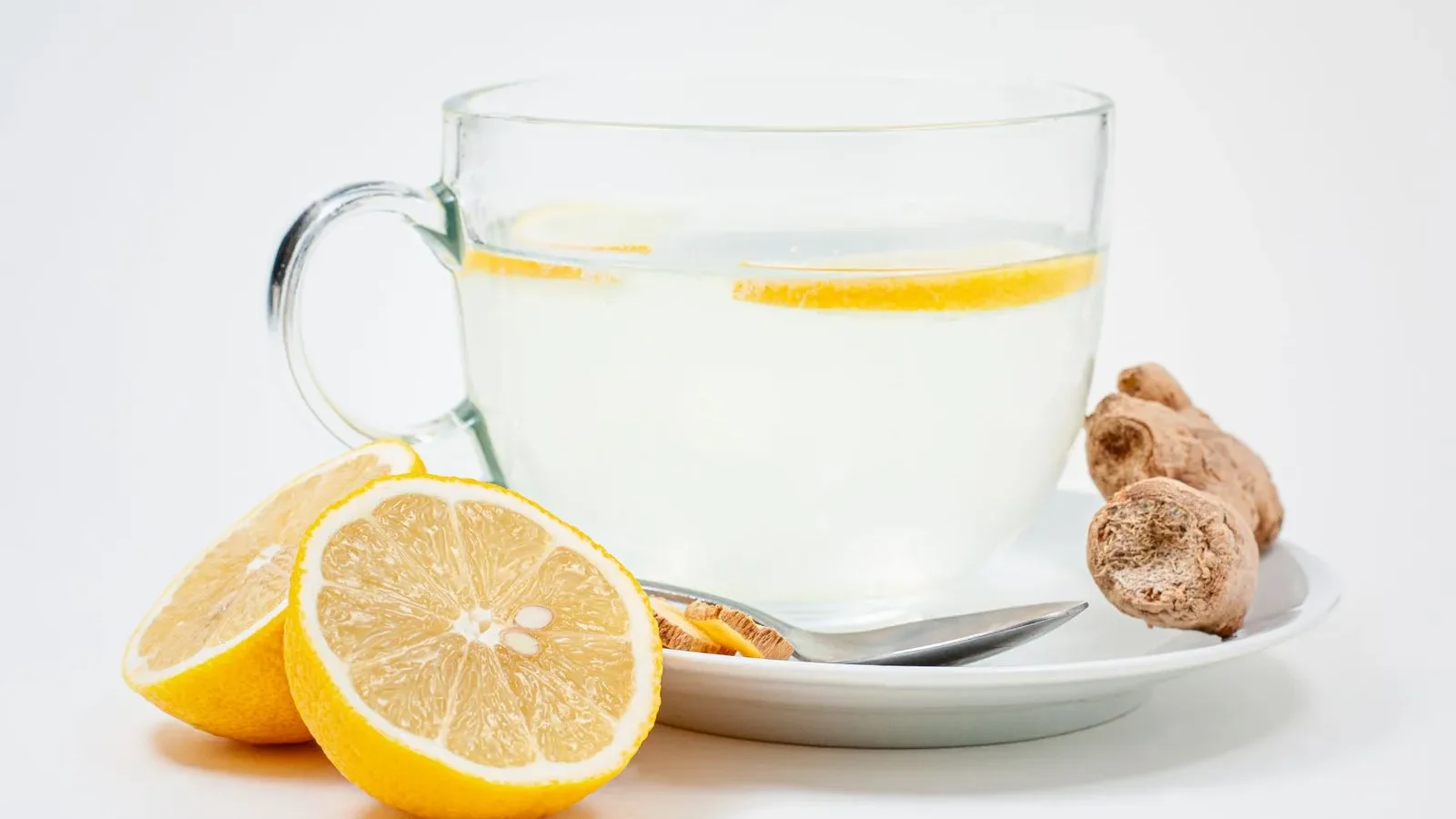
Lemon water: fine to drink, but it isn’t the lemon
We couldn’t find any controlled trials testing lemon water by itself for fat loss. The closest is a 2015 trial of a “lemon detox” program in 84 Korean women, a very low-calorie plan of lemon juice mixed with maple and palm syrups for 7 days.
The lemon group lost weight and body fat compared with women eating normally. But so did a group given a placebo juice diet with the same calories. That points to the calorie cut, not the lemon.
The water part may help a little. In a 12-week trial of 48 adults aged 55 to 75 on a reduced-calorie diet, those who drank 500 mL of water before each meal lost about 2 kg more than those on the diet alone. If a squeeze of lemon helps you drink more water, that’s a perfectly good reason to use it. Our guide to what drinking more water can and can’t do goes deeper.
Apple cider vinegar: small effects, shaky evidence
The best-known trial is from Japan. Japanese adults with a BMI of 25 to 30 (obese by Japanese criteria, overweight by US standards) drank a 500 mL beverage containing 15 mL or 30 mL of vinegar, or none, every day for 12 weeks. Both vinegar groups ended with lower body weight, visceral fat and waist size than the placebo group, but they lost only about 1 to 2 kg, and most of it returned within 4 weeks of stopping.
Keep that in context. It was one short trial, run by researchers at Mizkan, a Japanese vinegar maker, and it used vinegar diluted in a full drink rather than straight shots.
Undiluted vinegar is acidic: it eroded tooth enamel in a lab study and in a teenager who drank it daily, and a 2005 report linked apple cider vinegar tablets to throat injury. If you try it, dilute it and skip straight shots and tablets.
A 2024 trial in Lebanese adolescents and young adults reported drops in weight, waist size and body fat, but the journal retracted it in 2025. Our full guide on how to use apple cider vinegar for weight loss covers safer ways to use it if you still want to try.
Green tea, ginger and cinnamon
Green tea
A Cochrane review found that green tea preparations led to a small, statistically non-significant weight loss in adults with overweight or obesity. Across six trials outside Japan, the difference was about 0.04 kg. Trials in Japan varied too much to combine, and green tea didn’t help people keep weight off.
As a drink, green tea is fine for most adults. The National Center for Complementary and Integrative Health (NCCIH) reports no safety concerns for the beverage, though it does contain caffeine. Concentrated extracts are another matter: liver injury, though uncommon, has been reported, mainly with green tea extract tablets and capsules. Green tea also turns up in some weight-loss supplements, which we cover in how fat burners actually work.
Ginger
A 2024 meta-analysis of 27 trials with 1,309 people found that ginger supplements reduced body weight by about 1.5 kg compared with control. The certainty of that evidence was rated low, and the authors called for better-designed trials.
Cinnamon
A 2020 meta-analysis of 21 trials with 1,480 people found cinnamon supplements lowered body weight by about 0.9 kg on average. Results varied widely between studies, and there was no significant change in waist size or body fat.
Cinnamon as a spice is fine. The NCCIH says it’s unclear whether cinnamon helps with weight loss, and warns that some cassia cinnamon products are high in coumarin, which could be a problem with prolonged use for sensitive people, such as those with liver disease.
Detox drinks, cleanses and body wraps
According to the NCCIH, only a small number of low-quality studies have looked at detox programs in people. A 2015 review found no compelling research supporting detox diets for weight management or removing toxins, and a 2017 review found that juice and detox diets cause early weight loss from eating fewer calories but tend to lead to weight gain once normal eating resumes.
Some carry real risks, according to the NCCIH:
- Unpasteurized juices can make people sick, especially children, older adults and people with weakened immune systems.
- Laxatives can cause diarrhea, which can lead to dehydration.
- Drinking large amounts of water and herbal tea without eating for days could cause dangerous electrolyte imbalances.
- Colon cleansing is riskier for people with digestive disease, kidney disease or heart disease.
Body wraps have even less behind them. The only controlled study we found in PubMed tested a plaster wrap in 19 women over 10 sessions, combined with aerobic exercise. The wrap group lost slightly more at a few abdominal sites, but that’s far too small and short to show wraps reduce body fat. Wraps that make you sweat mainly shed water, which returns when you rehydrate, and heavy sweating can dehydrate you.
What actually works: a calorie deficit built from home habits
Fat loss comes down to eating somewhat less energy than you burn, consistently, over months. Our guide to how a calorie deficit works explains how to set a sensible target.
The CDC notes that people who lose weight at a gradual, steady pace of about 1 to 2 pounds a week are more likely to keep it off, and that even modest weight loss can improve blood pressure, cholesterol and blood sugar. Its practical habits are easy to start at home:
- Keep fruits and vegetables ready to grab.
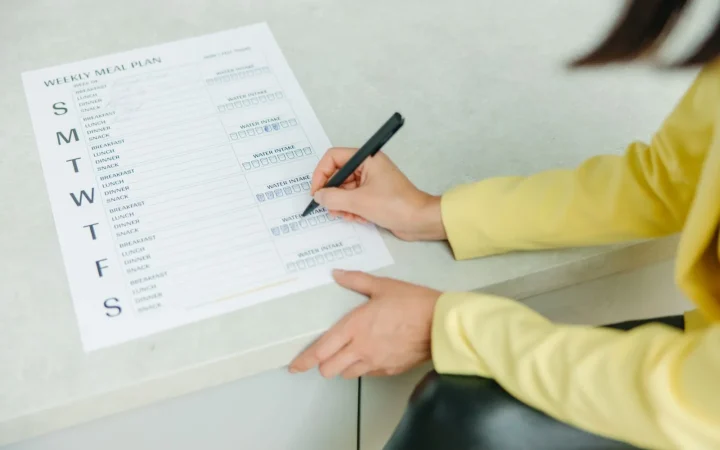
- Plan meals ahead so you aren’t deciding when you’re already hungry.
- Track what you eat and drink for a few days to spot patterns.
Home workouts that support fat loss
You don’t need a gym. The CDC recommends that adults get 150 minutes of moderate-intensity activity a week, or 75 minutes of vigorous activity, plus at least 2 days of muscle-strengthening activity that works all major muscle groups.
Strength work earns its place. A 2022 meta-analysis of resistance-training trials in healthy adults found that, compared with no exercise, training for at least 4 weeks reduced body fat percentage by about 1.5 percentage points, fat mass by about 0.5 kg and visceral fat as well. Bodyweight moves and resistance bands are an easy way to start.
A home week can be as simple as:
- Walking: a brisk 30-minute walk on 5 days adds up to 150 minutes. Our guide to walking for weight loss shows how to build up.
- Strength, 2 days: squats, lunges, glute bridges, incline push-ups, band rows and planks, 2 to 3 sets each.
- Everyday movement: take short walking breaks during long stretches of sitting.
Sleep: the home remedy with better evidence than most
Sleep is one home approach with trial evidence behind it. In a 2022 trial, 80 adults with overweight who usually slept less than 6.5 hours a night were randomly assigned to one sleep-hygiene counseling session or their usual routine. Over the next 2 weeks, the counseled group slept about 1.2 hours more per night and ate about 270 fewer calories a day than a control group, without being told to diet, and lost weight as a result.
The CDC’s tips are simple: keep regular bed and wake times, avoid caffeine in the afternoon and evening, and turn off electronic devices at least 30 minutes before bed.
Common mistakes
- Chasing a single “fat-blasting” ingredient. Even the best-studied remedies above show changes of a kilogram or two at most.
- Mistaking a quick drop for lasting fat loss. The NCCIH notes that early weight loss on detox diets tends to return once normal eating resumes.
- Assuming “natural” means safe. Green tea extract and some cassia cinnamon products carry liver concerns, and cleanses have risks of their own.
- Skipping strength work. It reduced body fat in trials, and you can start at home with bodyweight moves or bands.
- Cutting sleep to fit in workouts. In the sleep trial, people who slept longer ate less.