Water can help you get slimmer, but not by melting fat. Its real value is indirect: it replaces sugary drinks, and a glass or two before meals may help some people eat a little less. Small trials suggest these habits add a modest boost to weight loss when combined with eating fewer calories.
This guide covers what the studies on pre-meal water actually found, how much swapping sweet drinks for water can save, why “water weight” isn’t fat, and how much fluid most adults need.
It also covers the safety side: drinking far too much water can be dangerous, and some people with heart, kidney or liver conditions need to limit fluids.
What water can and can’t do
Water has no calories, so it can’t add to your weight in a lasting way. But it doesn’t burn fat by itself either. Fat loss still comes down to taking in fewer calories than you use over time, which our guide to how a calorie deficit works explains.
| What water can do | What it can’t do |
|---|---|
| Replace sugary drinks and their calories | Melt or flush out body fat |
| Possibly help you eat a little less at a meal | Make up for a large calorie surplus |
| Keep you hydrated during exercise and heat | Cause lasting weight loss on its own |
Drinking water before meals: what the studies found
The best-known evidence comes from small trials of “water preloading,” drinking about 500 ml (roughly 2 cups) of water shortly before a meal.
Both studies were short and small, and the authors of the UK trial called their evidence preliminary. In the first trial, the water lowered how much people ate at a test meal at the start of the study, but that effect was no longer significant by week 12.
A 2013 systematic review pulled the evidence together. Among people dieting to lose or maintain weight, drinking more water alongside a weight program was linked with more weight loss over 3 to 12 months. In people not trying to lose weight, the results were inconsistent, and the reviewers rated the overall evidence as low quality.
The fair summary: pre-meal water is cheap, low-risk for most healthy adults and may help a little, but it works best as part of a plan to eat less, not instead of one.
Swapping sugary drinks for water
This is where water makes the clearest difference, because it replaces calories rather than just adding volume. USDA FoodData Central figures show how quickly sweet drinks add up:
| Drink | Serving | Calories (approx.) |
|---|---|---|
| Regular cola | 12 fl oz can | 155 |
| Regular cola | 16 fl oz bottle | 207 |
| Regular cola | 32 fl oz large cup | 413 |
| Orange juice | 1 cup (8 fl oz) | 112 |
| Apple juice, unsweetened | 1 cup (8 fl oz) | 114 |
| Water, plain or sparkling | Any amount | 0 |
In the six-month CHOICE trial, 318 adults with overweight or obesity who usually drank at least 200 calories a day from beverages were asked to replace those drinks with water or diet drinks, or to make diet changes of their choice. The beverage-swap groups lost about 2% to 2.5% of their body weight on average and the comparison group about 1.8%, and the differences between groups weren’t significant.
The water group, though, saw improvements in fasting blood sugar and hydration compared with the self-directed group. And people assigned to swap their drinks had about twice the odds of reaching a 5% weight loss as those making changes of their choice.
If coffee is one of your main drinks, see whether it’s helping or hurting in our look at whether coffee makes you gain weight.
Water weight vs. fat loss
Your weight can shift from day to day, and much of that change can be water, not fat. One reason is glycogen, the stored carbohydrate in your liver and muscles.
A research paper on glycogen storage notes that each part of glycogen is stored with three to four parts water. When you cut carbohydrates or calories sharply, you use up glycogen and lose that water with it. That’s why the first week of a strict diet can show a fast drop that slows down later, and why the scale can jump back after a high-carb meal.
- Fast early drops on a new diet are often mostly water.
- A high-carb day after cutting back can raise the scale as glycogen and its water are restored, without adding fat.
- Fat loss shows up slowly, over weeks, as a downward trend.
Watch the weekly trend rather than single weigh-ins. Our guide on how to weigh yourself explains how to read it.
How much water do you need?
There’s no single number for everyone. The National Academies set “adequate intake” levels for total water, from all drinks and foods combined:
| Group | Total water per day | Roughly from drinks (about 80%) |
|---|---|---|
| Women | About 2.7 liters (91 oz) | About 2.2 liters, or roughly 9 cups |
| Men | About 3.7 liters (125 oz) | About 3 liters, or roughly 12 to 13 cups |
The National Academies say about 80% of total water typically comes from drinks, including caffeinated ones, and about 20% from food. They also say most healthy people meet their needs by drinking when thirsty and with meals.
People who are very active or live in hot climates may need more. For a personalized estimate, try our water intake calculator.
A simple water routine
Here’s what using water for weight management can look like in an ordinary day. Adjust the amounts to your thirst, activity and any limits your doctor has set.
| Time | What to drink | Why |
|---|---|---|
| Breakfast | A glass of water with coffee or tea | Starts the day without sugary drinks |
| Before lunch | About 2 cups of water, 30 minutes before | The pre-meal habit used in the trials |
| Afternoon | Sparkling water instead of a soda | Replaces a 12 oz can (about 155 calories) |
| Before dinner | About 2 cups of water | Same pre-meal habit |
| Exercise | Water during and after | Replaces fluid lost in sweat |
Practical tips that make it easier:
- Keep a refillable bottle where you can see it.
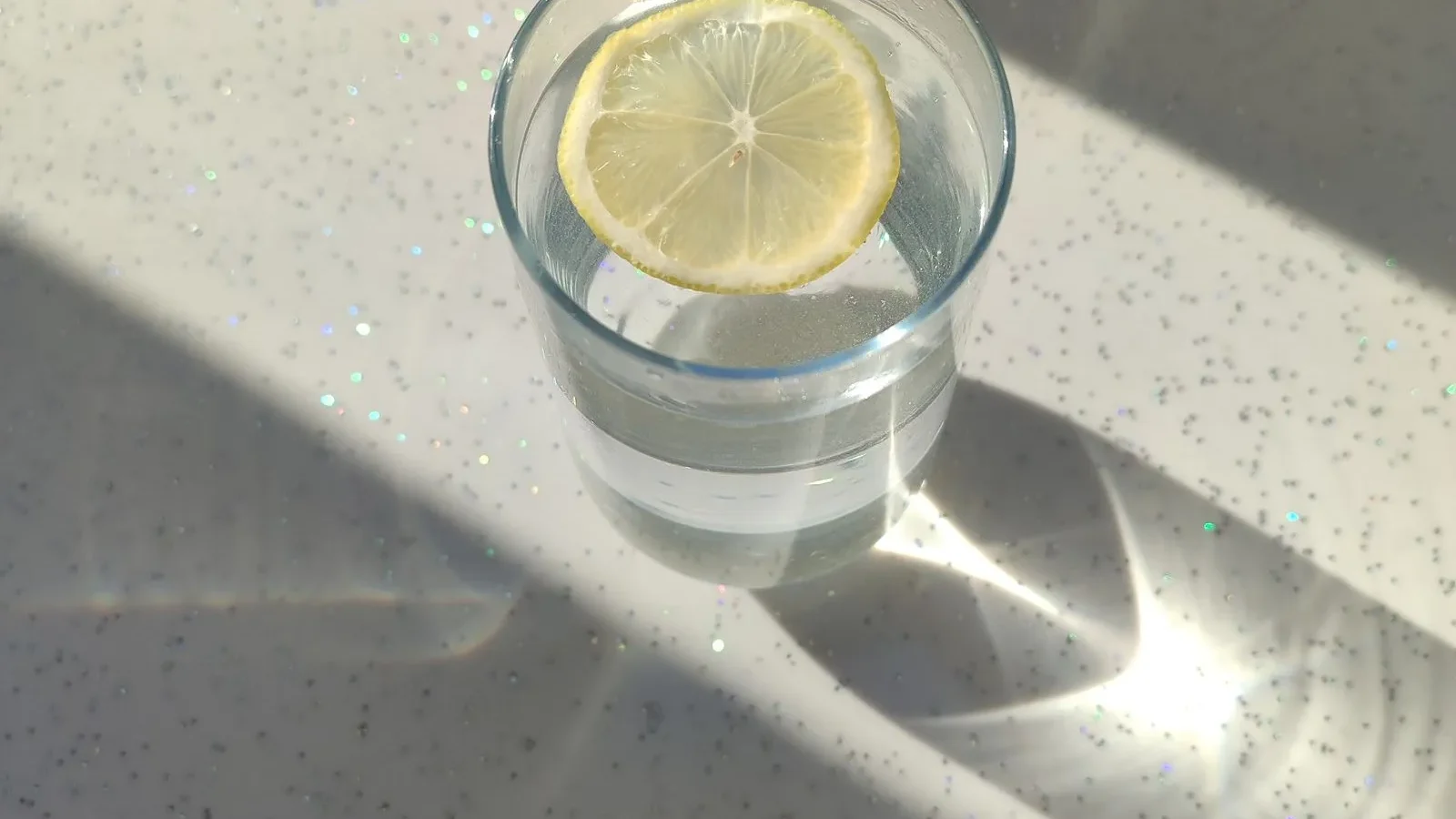
- Flavor water with citrus slices, cucumber or mint instead of syrups.
- Drink a glass with each meal so it becomes automatic.
- Pair the habit with eating more filling, lower-calorie foods; see our list of foods with fewer calories that still fill you up.
Common mistakes
- Expecting water alone to cause weight loss. The trials that found a benefit paired water with a lower-calorie diet.
- Forcing down huge amounts. More isn’t better, and very large amounts can be dangerous.
- Counting a scale drop as fat loss. Quick changes are usually water.
- Using water pills or “detox” products to shrink the number. Losing water isn’t losing fat. Only take diuretics if a doctor prescribes them.
- Swapping soda for juice. A cup of orange juice has about 112 calories, more than the roughly 103 in 8 ounces of regular cola.
Too much water and who needs fluid limits
For most healthy people, drinking too much water is unusual. The National Academies did not set an upper limit for water, but noted that some athletes and some people with certain psychiatric conditions occasionally drink amounts that can be life-threatening.
The danger is hyponatremia, or low blood sodium. MedlinePlus explains that when sodium in the fluid outside cells drops too low, water moves into cells and makes them swell, and brain cells are especially sensitive. Symptoms can include headache, nausea and vomiting, confusion, muscle cramps, fatigue and seizures. Seek urgent care for these symptoms, especially after drinking large amounts of fluid.