Cravings are normal, and having them doesn’t mean your willpower is broken. But a few everyday habits can make cravings louder, more frequent and harder to ride out.
This guide covers seven common missteps: skipping meals and skimping on protein, short sleep, strict “forbidden food” rules, unmanaged stress, alcohol, constant food cues and a popular hydration myth. For each one you’ll see what the research actually shows, including where the evidence is thin, plus a simple fix.
You don’t need to change everything at once. Pick the one or two that sound most like you and start there.
Skipping meals and skimping on protein
Going long stretches without food can feel like an easy way to save calories. In practice, it often sets you up for a stronger pull toward snack foods later in the day.
The practical lesson is simple: arriving at the afternoon or evening ravenous makes snack foods much harder to resist. Regular meals that include a solid source of protein are an easy first defense.
- Eat at fairly regular times so you don’t hit dinner, or the vending machine, starving.
- Build each meal around a protein food such as eggs, Greek yogurt, fish, chicken, tofu, beans or lentils.
- If you’re not hungry first thing, a small breakfast later in the morning still counts. Our guide to a healthy breakfast has easy options.
Not sure how much protein you need? Our guide to how much protein to eat when losing weight walks through the numbers.
If you take insulin or other medicine that lowers blood sugar, don’t start skipping meals without talking to your care team first.
Running on short sleep
A short night doesn’t just leave you tired. It tends to nudge eating up the next day without a matching rise in the calories you burn.
You can’t always control your sleep, but you can protect it and plan around the bad nights.
- Keep a regular bedtime and wake time, including on most weekends.
- After a short night, plan your meals and snacks ahead so you aren’t deciding while tired and hungry.
- Avoid caffeine late in the day if it keeps you up.
Making foods strictly forbidden
This is the misstep with the most nuance. Cutting back on certain foods does not automatically make you crave them more, and over months it often does the opposite.
Put together, the evidence suggests the problem isn’t eating less of a food. It’s the rigid “never again” rule, especially if you have a long history of dieting, that turns one cookie into a broken promise and a reason to keep going.
- Swap “never” for “planned”: decide when and how much of a favorite food fits your week.
- Serve treats in a single portion on a plate instead of eating from the package. Our guide to controlling portion sizes has simple ways to do this.
- If you have a slip, treat the next meal as normal rather than “starting over Monday.”
Letting stress run the show
Many people reach for food when they’re stressed, and some respond more strongly than others.
The fix isn’t to eliminate stress, which isn’t realistic. It’s to give yourself a few non-food options and to know your own pattern.
- Notice when cravings hit. If it’s always after a tough meeting or late at night, that’s a stress pattern, not a hunger one.
- Pick two or three go-to resets: a 10-minute walk, a call with a friend, a shower or a few minutes of slow breathing.
- If you still want a snack, choose it deliberately and eat it sitting down rather than grazing.
Drinking alcohol before or with meals
Alcohol adds its own calories, and the evidence suggests most people don’t eat less to make up for them.
- Eat a meal or a protein-rich snack before you drink rather than drinking on an empty stomach.
- Alternate alcoholic drinks with water or sparkling water.
- Decide what you’ll order to eat before the first drink, when your judgment is sharpest.
Keeping craving cues in plain sight
Seeing, smelling or even scrolling past food can spark a craving that wasn’t there a minute ago.
- Store snack foods out of sight, on a high shelf or in an opaque container, and keep fruit or other easy foods at eye level.
- Turn off promotional notifications from food delivery apps.
- Mute or unfollow social accounts that leave you craving foods you’re trying to eat less often.
- Take a route that skips the bakery or drive-through, at least on the days you’re most vulnerable.
Leaning on the “you’re probably just thirsty” myth
You’ve probably heard that thirst is often mistaken for hunger, so a glass of water should make a craving disappear. It’s a tidy idea, but there is little direct research showing that people routinely confuse the two. Treat it as unproven until better evidence appears.
Water before meals is a different question, and there is some evidence there.
So drink water because it’s a healthy default, and try a glass before meals if you like. Just don’t use it to silence real hunger. If you’re genuinely hungry, eat a balanced meal or snack. If your doctor has told you to limit fluids, for example because of heart failure or kidney disease, follow that advice instead.
What a craving-resistant day looks like
Here is a quick reference for each misstep, followed by an example of how the fixes fit into an ordinary day.
| Misstep | Why it backfires | Better move |
|---|---|---|
| Skipping meals, low protein | You arrive at later meals and snack time very hungry | Regular meals built around a protein food |
| Short sleep | Linked to eating more the next day | Regular sleep window; plan food after a bad night |
| “Never again” food rules | Deprivation can backfire, especially for habitual dieters | Plan favorite foods in set portions |
| Unmanaged stress | Some people eat more, and more sweets, under stress | Know your pattern; keep non-food resets ready |
| Alcohol | People don’t eat less to offset drink calories | Eat first; alternate with water |
| Constant food cues | Cues and craving predict eating | Hide snacks, mute food notifications |
| “Just drink water” for every craving | Weak evidence; can mask real hunger | Drink water, and eat when truly hungry |
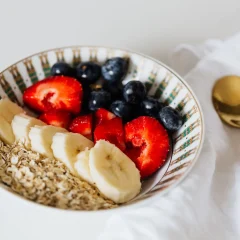
- Breakfast: Greek yogurt with berries and a sprinkle of oats, instead of coffee alone until lunch.
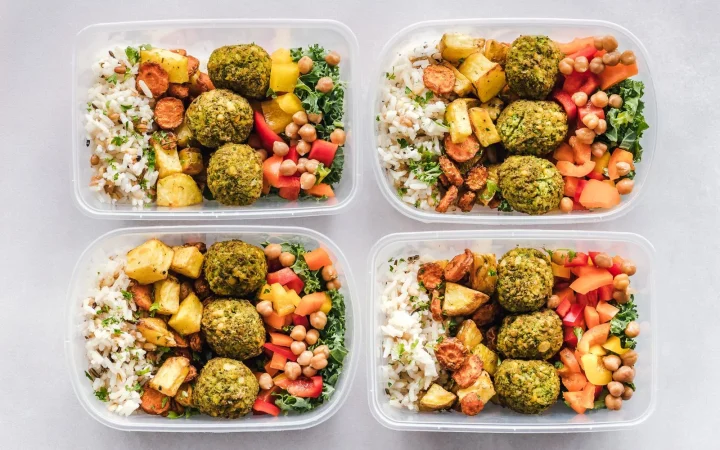
- Lunch: A grain bowl with chicken or beans and plenty of vegetables.
- Mid-afternoon: A planned snack, such as an apple and a piece of cheese, before the 4 p.m. slump hits.
- After a stressful call: A 10-minute walk first. If you still want something, have it on a plate.
- Dinner out: Order food before the first drink and alternate with sparkling water.
- Evening: A favorite treat in a single portion, eaten without the phone, then lights out at your usual time.
If you’re looking into supplements as well, our guide to appetite suppressants covers food-first options and what the evidence does and doesn’t support. Habits like the ones above remain the foundation.