The most reliable way to avoid junk food desires is to make them show up less often and give them less to work with. That means shaping what’s around you, planning your response before the craving hits, and eating meals that actually keep you full.
This guide covers five evidence-based strategies: changing your food environment, using if-then plans, leaning on protein and fiber, eating with attention, and keeping ultra-processed foods as the exception rather than the default. You’ll also see how strong the evidence is for each, and what a day using them looks like.
None of this requires banning foods you love. The goal is fewer automatic snacks and more deliberate choices.
Why junk food is so easy to overeat
It’s not just you. Some of the best evidence on this comes from a tightly controlled trial run at the National Institutes of Health.
Participants rated the two diets as similarly pleasant, yet they ate the ultra-processed meals faster. The researchers also noted that the ultra-processed solid foods were far more energy-dense, which likely contributed.
The study had real limits. It was small and short, the food was free and prepared for participants, and it wasn’t designed to pin down exactly why people ate more. Still, it’s a strong signal that the type of food, not just willpower, shapes how much we eat.
Shape your food environment
The easiest craving to manage is the one that never gets triggered. What you keep at home, on your desk and in your bag matters.
- At home: keep chips, candy and cookies out of sight, in a high cupboard or opaque container, or don’t keep large packages in the house at all.
- At work: put the candy dish out of arm’s reach, or ask if it can move to a shared space away from desks.
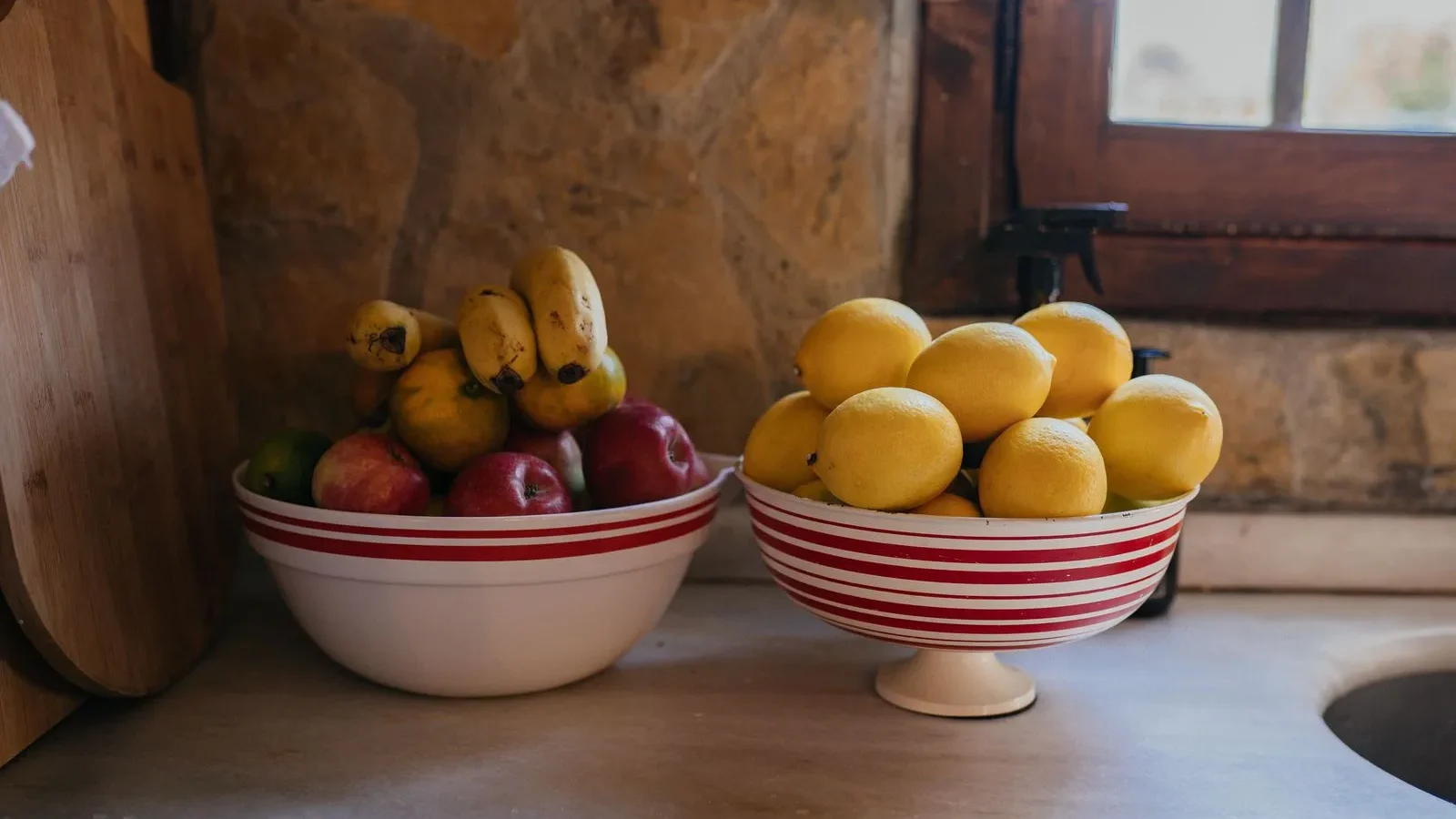
- In your line of sight: keep easy, filling options visible, such as fruit, yogurt, hard-boiled eggs or cut vegetables with hummus.
- When shopping: shop from a list and buy treats in single-serving sizes rather than family packs.
If you want more filling, lower-calorie staples to stock, our list of foods with fewer calories is a good starting point.
Plan ahead with if-then plans
An if-then plan, which researchers call an implementation intention, links a specific situation to a specific response. For example: “If I get home hungry at 6 p.m., then I’ll have a yogurt while I cook.”
The takeaway: if-then plans work best when you know your real triggers and when the “then” adds something good rather than just saying no. Spend a few days noting when junk food desires hit: the time, place, mood and what you were doing. Then write a plan for your top two or three.
| If this happens… | …then I will |
|---|---|
| I’m hungry at 3 p.m. at my desk | Eat the snack I packed: an apple and a cheese stick |
| I walk past the vending machine | Refill my water bottle instead |
| I’m stressed after a long day | Take a 10-minute walk before deciding what to eat |
| I want something sweet after dinner | Have a single portion on a plate, at the table |
| I’m tempted to order takeout on a busy night | Heat a prepped meal from the freezer |
Planned meals do the same job on a bigger scale. Cooking a few meals or snack packs ahead means the easiest option is already a good one.
Fill up on protein and fiber
Junk food desires are much harder to ignore when you’re actually hungry. Meals with enough protein and fiber help you stay satisfied between them.
- Include a palm-sized protein food at each meal: eggs, fish, chicken, Greek yogurt, cottage cheese, tofu, beans or lentils.
- Add fiber with vegetables, fruit, whole grains, beans and nuts.
- Make snacks a protein-plus-fiber pair, such as hummus with carrots or an apple with peanut butter.
For your personal target, see our guide to how much protein you need to lose weight.
Eat with your attention on the food
Mindful eating sounds abstract, but a lot of it comes down to one habit: paying attention while you eat.
- Eat meals and snacks sitting down, away from screens when you can.
- Put snacks in a bowl or on a plate so you can see how much you’re having.
- When a craving hits, pause for a few minutes and notice it before you decide what to do.
- If you decide to have the treat, enjoy it slowly and without guilt.
Make ultra-processed food the exception, not the default
You don’t have to avoid every packaged food. Canned beans, frozen vegetables, plain yogurt and whole-grain bread are all processed to some degree and can make healthy eating easier.
The aim is to shift the balance so that most of what you eat is built from whole or minimally processed foods, with ultra-processed snacks and convenience meals as occasional choices.
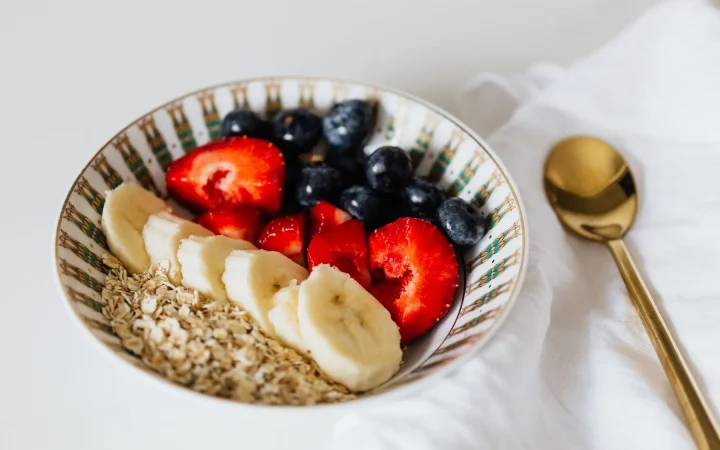
- Upgrade, don’t eliminate: swap one ultra-processed item a day, such as sweetened cereal for oats with fruit.
- Slow it down: ultra-processed food is easy to eat quickly, so give treats your full attention.
- Portion it out: our guide to controlling portion sizes shows how to serve single portions.
- Keep it planned: decide when treats fit your week instead of deciding in the moment.
What this looks like in practice
Here’s a sample workday that uses these strategies. Adjust the foods and amounts to your own preferences and needs.
| Time | What you eat or do | Strategy |
|---|---|---|
| Breakfast | Two eggs, whole-grain toast and fruit | Protein and fiber |
| Commute | Skip the coffee-shop pastry; packed snack is in your bag | Planning |
| Lunch | Leftover chili with beans and a side salad, eaten away from your desk | Meal prep, attention |
| 3 p.m. | Greek yogurt with berries | If-then plan |
| Dinner | Salmon, roasted vegetables and rice | Mostly minimally processed |
| Evening | A single portion of dark chocolate, eaten slowly | Planned treat |
How strong is the evidence?
| Strategy | Evidence | Bottom line |
|---|---|---|
| Fewer ultra-processed foods | One small, well-controlled inpatient trial | Strong signal, needs larger and longer studies |
| Food out of sight and reach | Cochrane review, low certainty | Small, useful nudge |
| If-then plans and trigger diaries | Meta-analysis and trials | Better for adding healthy foods than cutting junk |
| Protein and fiber | Reviews and trial analyses | Modest help with fullness and sticking to a plan |
| Eating without distraction | Meta-analysis of experiments | Reduces intake, especially later on |
Some people also look into supplements for cravings. Our guide to appetite suppressants explains which food-first options have evidence and which don’t.