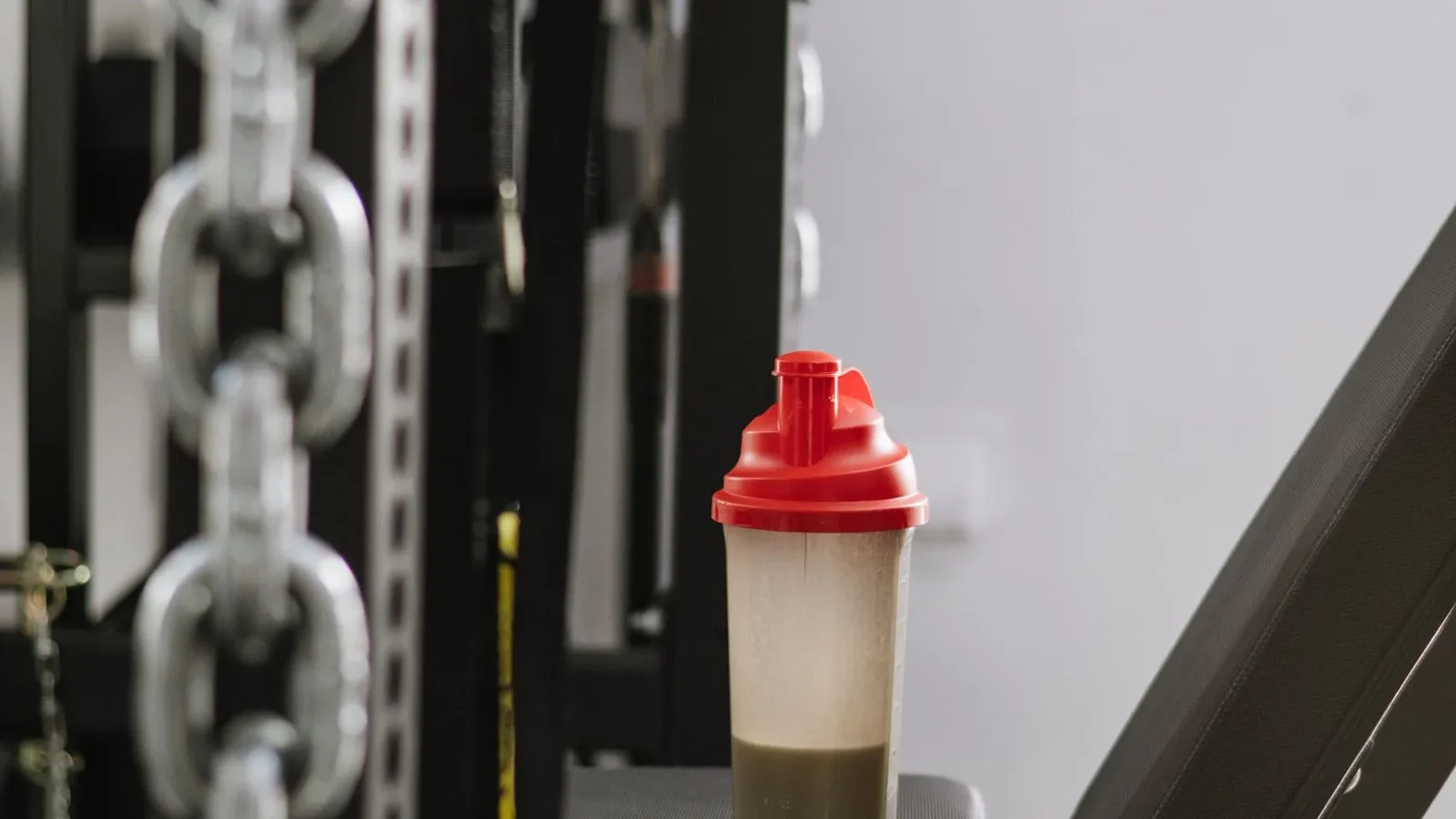
Meal replacement shakes can help with weight loss, but not because of a special ingredient. In trials, they seem to help by making a reduced-calorie plan easier to follow, and the extra weight loss is modest and depends a lot on the support around it.
This guide covers what the research shows, how to read a shake’s label, the main product types, how to fit one shake a day into normal eating, and who should check with a doctor first.
We don’t rank brands here. Formulas change often, so the most useful skill is knowing what to check on whatever label is in front of you.
What the research says about meal replacement shakes
Meal replacements have been studied for decades, and the best evidence comes from pooled analyses of randomized trials.
An older analysis of six trials looked at “partial” plans, where one or two meals a day were swapped for fortified, reduced-calorie products and at least one regular meal stayed. Both groups were given the same calorie target.
The shake groups lost roughly 7–8% of their body weight versus 3–7% on a conventional reduced-calorie diet, and fewer of them dropped out by one year. One of the one-year estimates wasn’t statistically significant, and the analysis included only six trials.
For people with type 2 diabetes, a 2019 review of nine trial comparisons (961 people, median follow-up 24 weeks) found liquid meal replacements led to about 2.4 kg more weight loss and a small drop in HbA1c (about 0.4 percentage points). The authors rated the certainty of the evidence as low to moderate.
Why shakes help some people, and where they fall short
A shake takes one meal off your plate, literally. You don’t have to plan it, portion it or guess its calories, which may be why the trials saw better results with the same calorie targets.
The research also has clear limits:
- The advantage is modest. A few kilograms over a year is meaningful, but shakes are a tool, not a shortcut.
- Support matters. The biggest difference came when shakes were paired with extra coaching or check-ins, compared with diets that had only regular support.
- Long-term data is thin. Most trials reported results at about one year, so they say little about what happens once people stop using shakes.
What to look for on the label
The FDA’s quick rule for the % Daily Value (%DV) column makes comparing shakes easier: 5% DV or less of a nutrient per serving is low, and 20% DV or more is high. The Daily Values behind those percentages are 50 g for protein, 28 g for fiber and 50 g for added sugars.
| Label item | What to look for | Why it matters |
|---|---|---|
| Serving size and calories | Calories close to the meal you’re replacing, counting whatever you mix it with | Trial shakes were part of a planned, reduced-calorie day, not an extra |
| Protein | 10 g or more (20% DV) is “high” by FDA’s guide; many labels omit protein %DV, so check grams | Helps the shake act like a meal; see your daily target below |
| Fiber | 20% DV (about 5.6 g) or more is high | The FDA lists fiber among the nutrients to get more of |
| Added sugars | 5% DV (2.5 g) or less is low; 20% DV (10 g) or more is high | The FDA lists added sugars among the nutrients to get less of |
| Vitamins and minerals | A list of added vitamins and minerals with their %DV | The trials defined meal replacements as vitamin- and mineral-fortified products |
| Ingredient list | Protein source (milk, whey, soy, pea), sweeteners and allergens | Matters for allergies, intolerances and kidney diets |
| Third-party seal | A certification you can look up, such as NSF Certified for Sport | NSF lets you search certified products by name or lot number |
A seal speaks to what’s in the container, not to whether it helps you lose weight. If you already take a multivitamin, compare the two labels so you know how much of each nutrient you’re getting in total.
For protein, a daily target is more useful than a single number per shake. Our guide to how much protein you need to lose weight explains how to set one.
The main types of meal replacement shakes
Most products fall into a few broad types. Each can work; the right one is the one whose label passes the checks above and that you’ll actually use.
| Type | Good for | Check closely |
|---|---|---|
| Ready-to-drink bottles or cartons | No prep, work bags, travel | Calories and added sugars per container |
| Powders mixed with water or milk | Flexibility; you control the add-ins | Whether the label numbers are for the powder alone or as prepared |
| Plant-based powders (pea, soy and similar) | Dairy-free or vegan eating | Protein per serving, fiber and added vitamins and minerals |
| Plain protein powders | Adding protein to a meal | Whether it’s labeled as a meal replacement at all; in water, it’s a protein boost, not a full meal |
How to use a shake: one meal a day
The trials that tested partial plans replaced one or two meals a day and kept at least one regular meal. For most people, starting with one shake is the simplest version.
- Pick your hardest meal. For many people that’s a rushed breakfast or a workday lunch.
- Replace, don’t add. A shake on top of your usual meal adds calories instead of saving them.
- Make the other meals count. Build them with the plate method: half vegetables, a quarter protein, a quarter carbs.
- Watch the blender. Add-ins can double a shake’s calories without you noticing.
- Plan your exit. Practice a regular-food version of the same meal, such as one of these healthy breakfast ideas, so the habit lasts after the shakes stop.
What add-ins do to a shake
| Add-in (USDA) | Calories | Protein | Fiber |
|---|---|---|---|
| 2% milk, 1 cup (244 g) | About 122 | 8.1 g | 0 g |
| 1% milk, 1 cup (244 g) | About 102 | 8.2 g | 0 g |
| Banana, 1 medium (118 g) | About 105 | 1.3 g | 3.1 g |
| Smooth peanut butter, 2 tbsp (32 g) | About 191 | 7.1 g | 1.6 g |
| Strawberries, 1 cup whole (144 g) | About 46 | 1.0 g | 2.9 g |
| Raw spinach, 1 cup (30 g) | About 7 | 0.9 g | 0.7 g |
Blend a powder with 2% milk, a banana and 2 tablespoons of peanut butter, and the add-ins alone come to about 418 calories. Use 1% milk, a cup of strawberries and a handful of spinach instead, and they come to about 155, or about 53 with water.
What a one-shake day can look like
| Meal | What it looks like |
|---|---|
| Breakfast | Meal replacement shake blended with 1% milk, strawberries and spinach |
| Lunch | Big salad with chicken or beans, whole-grain bread and a measured dressing |
| Snack | An apple or plain Greek yogurt |
| Dinner | Half a plate of vegetables, a palm of fish or tofu and a fist of potatoes or rice |
Who should be careful
- Kidney disease. The NIDDK notes that some people with chronic kidney disease need moderate protein and may need to limit phosphorus and potassium. Check ingredient lists for phosphorus additives (words containing “PHOS”), and ask your dietitian before using shakes.
- Diabetes medication. Insulin, sulfonylureas and meglitinides can cause low blood glucose, and the NIDDK lists skipping meals or not eating enough carbohydrate as triggers. Swapping a meal for a shake can change what you need, so plan it with your care team.
- Pregnancy and breastfeeding. Don’t start a weight-loss plan without your prenatal or postpartum provider’s go-ahead.
- A history of eating disorders. Rigid replacement plans may not be a good fit. Talk with your care team about an approach that feels safe.
- Under 18, food allergies or intolerances. Check with a doctor first, and read labels for milk, soy and nut ingredients.
Common mistakes with meal replacement shakes
- Drinking the shake with a meal. It only helps if it takes a meal’s place.
- Treating a protein powder as a full meal. Check that it’s sold and labeled as a meal replacement.
- Going shake-only on your own. The 2019 review excluded shake-only plans and diets under 800 calories a day. Those are a more intensive approach that belongs under a clinician’s care.
- Ignoring the rest of the day. One shake won’t offset large portions at other meals.
- Expecting the shake to do the work. The trials with the best results paired shakes with ongoing support.
If you’re comparing other tools as well, our roundup of weight-loss products covers kitchen basics and more.