A light lunch only works if it still fills you up. The simplest way to get there is a formula: a solid serving of protein, a fiber-rich carb such as beans, lentils or whole grains, and a big pile of vegetables, with a little fat for flavor.
Below are seven lunch ideas built that way, each about 330 to 395 calories with 20 to 37 g of protein, worked out from USDA FoodData Central values. You’ll also find the research on why bulky, water-rich meals keep hunger in check, a sample prep week and tips for packing lunches that hold up.
Treat the numbers as a starting point. Adjust portions to your appetite, activity and calorie target.
The light-lunch formula: protein, fiber and vegetables
The CDC’s plate method is a handy template. Start with a 9-inch plate, fill half with nonstarchy vegetables, one quarter with a lean protein such as chicken, beans, tofu or eggs, and one quarter with carb foods, then choose water or a low-calorie drink. It appears in the CDC’s diabetes meal-planning advice, but the layout works well as a general template too.
| Part of the lunch | Aim for | Easy options |
|---|---|---|
| Protein | About 3 oz cooked meat or fish, 2 eggs or 1/2 cup tofu | Chicken breast, canned tuna or salmon, eggs, tofu, beans and lentils |
| Fiber-rich carb | About 1/2 cup cooked, or 1 to 2 slices of bread | Beans, lentils, brown rice, quinoa, whole-wheat bread or wraps |
| Vegetables | About half the container, often 2 cups or more | Salad greens, spinach, broccoli, peppers, tomatoes, cucumber, zucchini |
| Flavor | A teaspoon or two of oil, plus extras | Olive oil, salsa, lemon, vinegar, herbs, spices, low-sodium soy sauce |
Protein earns its place. A 2012 meta-analysis of 24 trials with 1,063 adults compared higher-protein and standard-protein diets with the same calories. The higher-protein diets led to slightly more weight and fat loss (under 1 kg on average over about 12 weeks), helped preserve lean mass, and were rated more filling in three of the five trials that measured fullness.
Our guide to how much protein you need to lose weight helps you set a daily target, so you can decide how much of it lunch should cover.
Why bulky lunches keep you full: energy density
Energy density is simply how many calories a food packs into each gram. Water-rich foods such as vegetables, fruit, broth-based soups and cooked beans are low in energy density. Fat-heavy foods such as oils, cheese and creamy dressings are high.
Eating for volume, sometimes called volumetrics, draws on research from Barbara Rolls’s lab at Penn State. In a 2017 review, Rolls explains that water (0 calories per gram) and fat (9 calories per gram) have the biggest influence on energy density, and that when the energy density of the diet is lowered, adults and children spontaneously eat fewer calories. Starting a meal with a large, low-energy-dense soup or salad can also increase fullness.
The approach has also been tested over a year. In a trial of 97 women with obesity, one group was taught to cut fat while the other was taught to cut fat and eat more water-rich foods, especially fruit and vegetables. Neither group was given a calorie target.
Among those who finished the year, the fruit-and-vegetable group lost about 7.9 kg compared with 6.4 kg. They ate a greater weight of food and reported less hunger.
The lunches below follow the same idea. By weight they work out to roughly 0.6 to 1.1 calories per gram, mainly thanks to vegetables, beans and broth.
Seven light lunch ideas with calories and protein
Totals are for the ingredients listed, calculated from USDA FoodData Central values. Vegetable amounts are raw weights, and your brands and portions will shift the numbers a little.
| Lunch | What’s in it | Calories | Protein | Fiber |
|---|---|---|---|---|
| Chicken, black bean and crunchy greens bowl | 3 oz roasted chicken breast, 1/2 cup black beans, 2 cups shredded romaine, 6 cherry tomatoes, 1/2 cup cucumber, 2 tbsp salsa, 1 tsp olive oil | About 345 | 37 g | 12 g |
| Lentil and vegetable soup with toast | 3/4 cup cooked lentils, 1/2 cup no-salt-added canned tomatoes, 1/2 cup chopped carrots, 1 cup spinach, 1 cup vegetable broth, 1 tsp olive oil, 1 slice whole-wheat bread | About 355 | 20 g | 18 g |
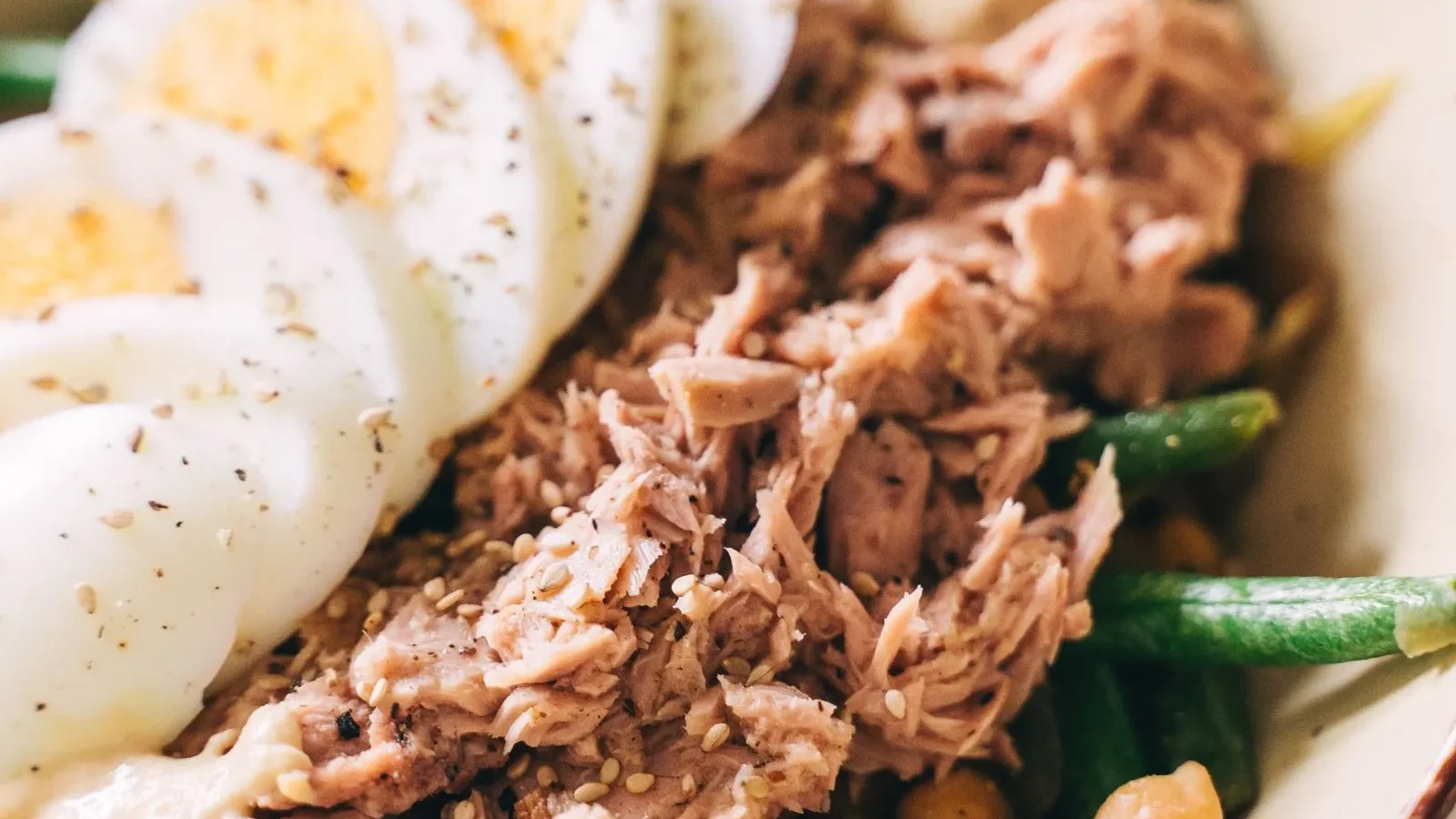
| Tuna, white bean and arugula salad | 3 oz canned light tuna in water (drained), 1/2 cup canned white beans, 2 cups arugula, 6 cherry tomatoes, 2 tsp olive oil, lemon juice | About 330 | 28 g | 8 g |
| Egg and veggie whole-wheat wrap | 2 hard-boiled eggs, 1 whole-wheat tortilla, 1 cup spinach, 1/2 cup sliced red pepper, 2 tbsp salsa, plus 1 cup carrot sticks | About 360 | 20 g | 10 g |
| Tofu and broccoli stir-fry with brown rice | 1/2 cup firm tofu, 1 cup broccoli, 1/2 cup sliced red pepper, 1 tsp canola oil, 1 tbsp low-sodium soy sauce, 1/2 cup cooked brown rice | About 395 | 29 g | 8 g |
| Turkey and hummus sandwich with veggie sticks | 2 slices whole-wheat bread, 4 thin slices deli turkey breast (about 2 oz), 2 tbsp hummus, lettuce and tomato, plus 1/2 cup each cucumber and red pepper strips | About 330 | 21 g | 7 g |
| Salmon, quinoa and roasted vegetable bowl | 3 oz cooked salmon, 1/2 cup cooked quinoa, 1 cup zucchini, 1/2 cup red pepper, 1 cup spinach, 1 tsp olive oil | About 375 | 26 g | 6 g |
If you need more food, add vegetables first. Two extra cups of shredded romaine add only about 16 calories, while one extra tablespoon of olive oil adds about 119. For more low-calorie ideas, see our list of foods with fewer calories.
Building lunch around eggs? Our guide to how many grams of protein are in an egg explains how much they contribute.
What a prepped lunch week looks like
You don’t need to cook every day. An hour or so of prep can cover most of the week.
Weekend prep
- Make a pot of lentil and vegetable soup, and freeze some portions.
- Roast a few chicken breasts or bake a tray of tofu.
- Cook a batch of brown rice or quinoa.
- Hard-boil several eggs.
- Wash and chop vegetables: peppers, cucumber, carrots, broccoli.
The week
| Day | Lunch | Uses |
|---|---|---|
| Monday | Chicken, black bean and greens bowl | Roasted chicken, chopped vegetables |
| Tuesday | Lentil soup with whole-wheat toast | Soup batch |
| Wednesday | Egg and veggie wrap with carrot sticks | Hard-boiled eggs, chopped vegetables |
| Thursday | Tofu and broccoli stir-fry with brown rice | Baked tofu, cooked rice |
| Friday | Tuna, white bean and arugula salad | Pantry cans, no cooking needed |
Use this as a pattern rather than a strict plan. Swap days around, repeat favorites and pull a frozen soup portion out when the week gets busy.
Meal-prep and packing tips
- Pack vegetables first. Fill about half the container with them, then add protein and the carb.
- Keep dressing separate. A small container of dressing keeps greens crisp and stops you from free-pouring.
- Portion while you prep. Divided containers make it easy to repeat the amounts above.
- Stock a backup lunch. Canned tuna, canned beans and a bag of greens can rescue a day when nothing is ready.
- Cool food quickly. The CDC advises refrigerating cooked leftovers within 2 hours (within 1 hour if it’s above 90°F) and dividing hot food into shallow containers so it cools faster.
- Reheat thoroughly. The CDC lists 165°F for reheated leftovers; a food thermometer takes out the guesswork.
- Eat or freeze within 3 to 4 days. USDA’s Food Safety and Inspection Service says cooked leftovers keep 3 to 4 days in the refrigerator, so freeze portions meant for later in the week.
- Keep it cold on the go. If your lunch sits in a bag for hours, use an insulated bag with an ice pack.
Common light-lunch mistakes
- Going too light. A plate of plain lettuce isn’t a lunch. Without protein and fiber, you may end up snacking all afternoon.
- Free-pouring dressing and cheese. In the salad study, a more energy-dense salad raised total intake at the meal. Measure the high-calorie extras.
- Drinking your calories. Pair lunch with water or another low-calorie drink, as the plate method suggests.
- Forgetting sodium. Deli meats, canned soups and soy sauce can add up. Choose lower-sodium or no-salt-added versions where you can.
- Making it a chore. Rotate a handful of lunches you enjoy. A meal you like is one you’ll keep eating.
If you’d like to see how these lunches fit your day, the calorie calculator estimates your total needs, and our guide to controlling portion sizes helps you scale meals up or down.